Built by engineers who've debugged a 200 GB P4 depot at 2 AM.
We started Diversion because we lived the problem. Sasha spent 4 years as a build engineer on a 60-person Unreal studio. The night before a publisher demo, a lighting bake from a stale branch shipped to production. 11 hours to diagnose. 6 hours to fix. Zero sleep. The root cause was version control that had no idea what a .uasset was.
We built Diversion to be the version control system we wish had existed that night: one that reads binary assets at block level, that makes locking a first-class action, and that tracks which lighting bake is freshest at merge time.
We're based in Los Angeles, bootstrapped, and building in public with the studios in our early-access program. No enterprise sales team. No Perforce reseller channel. Just the tool.
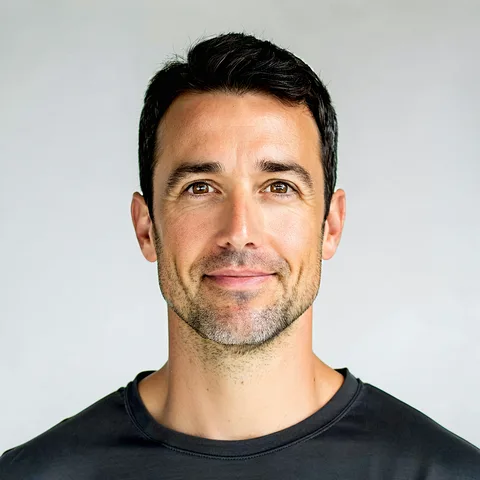
Sasha Medvedovsky
CEO & Co-Founder
The night that broke Perforce.
By 2024 the studio's main depot had grown to 218 GB. P4 sync took 45 minutes on a clean workspace. Branch deploys for the build farm required manual workspace remapping. And because P4's exclusive checkout was opt-in, two artists would periodically open the same .umap for edit — and whoever submitted second was surprised by a corrupt merge that P4 had no mechanism to detect.
The breaking point was a publisher greenlight demo where a lighting bake rebuild on feature/lighting-pass never made it to main. A stale bake from three weeks earlier shipped. The publisher saw a half-dark city level at 9 PM on a Thursday.
Diversion is the fix: version control that understands what a lighting bake is, where it came from, and whether the one you're about to ship is fresher than the one in main.
The team.
Sasha Medvedovsky
CEO & Co-Founder
Former build engineering lead at a 60-person Unreal studio. Spent 4 years inside P4 depots before deciding to replace them.
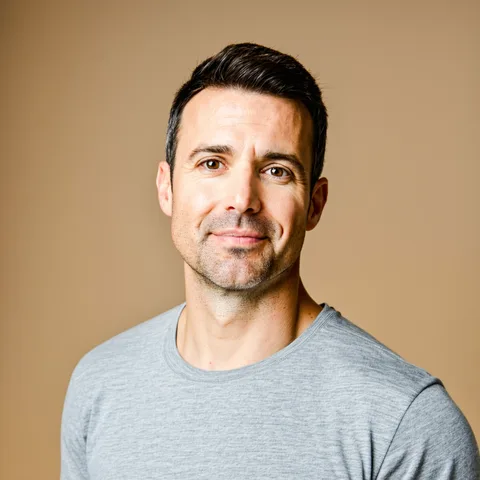
Marcus Reinholt
CTO & Co-Founder
Distributed systems engineer. Previously built content-addressed storage at scale for a major game platform. Designed Diversion's object store from scratch.

Priya Olvera
Head of Engineering
Shipped the Unreal and Unity integration plugins. Former engine programmer at an indie studio with a 90 GB asset pipeline.
How we build.
Ship real diffs.
Every feature we ship must work on a real 100+ GB Unreal depot before we call it done. No synthetic benchmarks. No "works on our demo project."
No hidden corruption.
Binary asset corruption that goes undetected is worse than a build failure. Diversion fails loudly or succeeds completely. There is no "mostly merged."
Studio-first defaults.
Lock behavior is on by default for binary files. Bake detection runs on every merge. The safe path is the default path — you shouldn't have to configure safety.
Built in Los Angeles. You can call the founders directly.
We talk directly with every studio considering migration. No sales funnel, no SDR call — the engineers who built the depot connect feature take the call.
Get in touch